Empowering Youth Through Education and Culture

Education is a powerful tool that shapes the future of individuals and communities. It is not just about acquiring knowledge; it is about fostering critical thinking, creativity, and cultural awareness. In today's rapidly changing world, empowering youth through education and culture is more important than ever. This blog post explores how education and cultural engagement can transform the lives of young people, providing them with the skills and confidence they need to thrive.
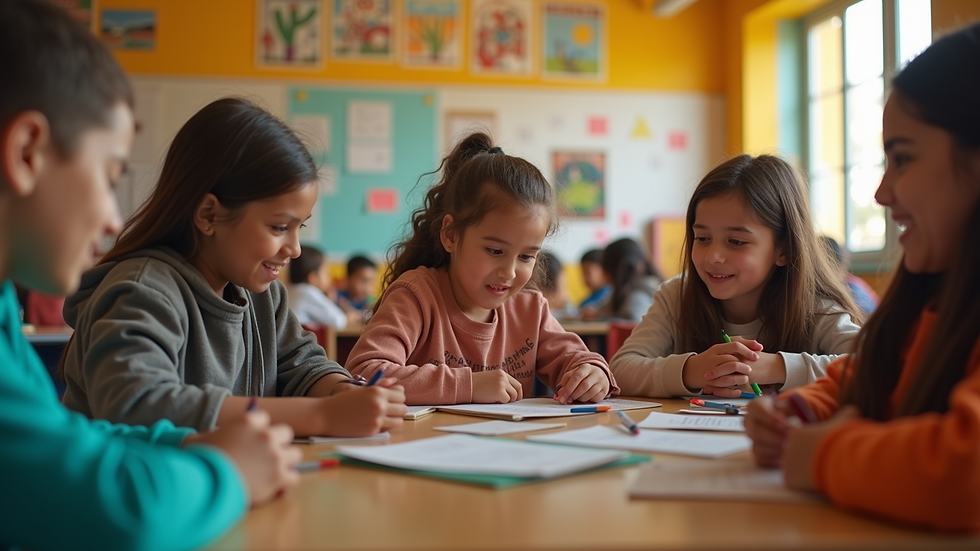
The Importance of Education
Education serves as the foundation for personal and professional development. It equips young people with the knowledge and skills necessary to navigate the complexities of modern society. Here are some key reasons why education is crucial for youth empowerment:
Building Knowledge and Skills
Education provides young people with essential knowledge in various subjects, including science, mathematics, literature, and history. This knowledge is not just theoretical; it is practical and applicable to real-life situations. For instance, learning mathematics helps in developing problem-solving skills, while studying literature enhances communication abilities.
Fostering Critical Thinking
In an age of information overload, the ability to think critically is invaluable. Education encourages young people to analyze information, question assumptions, and develop their own perspectives. This skill is vital for making informed decisions and participating actively in society.
Enhancing Career Opportunities
A solid educational background opens doors to various career opportunities. Employers often seek candidates with relevant qualifications and skills. By investing in education, young people can improve their employability and increase their chances of success in the job market.
The Role of Culture in Youth Empowerment
Culture plays a significant role in shaping identity and fostering a sense of belonging. Engaging with cultural activities can empower youth in several ways:
Promoting Self-Expression
Cultural activities, such as music, dance, and art, provide young people with outlets for self-expression. These activities allow them to explore their creativity and share their unique perspectives with the world. For example, participating in a local theater production can boost confidence and enhance public speaking skills.
Strengthening Community Bonds
Cultural engagement fosters a sense of community and belonging. When young people participate in cultural events, they connect with others who share similar interests and values. This sense of belonging can lead to stronger social networks and support systems, which are essential for personal growth.
Preserving Heritage and Identity
Cultural activities help young people understand and appreciate their heritage. By learning about their cultural roots, they develop a sense of pride in their identity. This understanding can empower them to navigate challenges and advocate for their communities.
Integrating Education and Culture
Combining education and cultural engagement can create powerful opportunities for youth empowerment. Here are some effective strategies to integrate these two elements:
Community-Based Programs
Community organizations can play a vital role in providing educational and cultural programs for youth. For example, after-school programs that offer tutoring alongside art or music classes can enhance learning while fostering creativity. These programs can also provide mentorship opportunities, connecting young people with role models in their communities.
Cultural Exchange Initiatives
Cultural exchange programs allow young people to experience different cultures and perspectives. These initiatives can take the form of study abroad programs, cultural festivals, or exchange visits. By interacting with peers from diverse backgrounds, youth can broaden their horizons and develop a global mindset.
Curriculum Enrichment
Schools can enrich their curricula by incorporating cultural education. This can include lessons on local history, cultural traditions, and the arts. By exposing students to various cultural perspectives, educators can foster empathy and understanding among young people.
Case Studies of Successful Initiatives
Several organizations and programs have successfully empowered youth through education and culture. Here are a few notable examples:
The Young Leaders Program
The Young Leaders Program is an initiative that combines leadership training with cultural education. Participants engage in workshops that focus on communication skills, teamwork, and cultural awareness. The program has successfully equipped young people with the tools they need to become effective leaders in their communities.
Arts for All
Arts for All is a community-based program that provides free art classes to underprivileged youth. By offering access to creative outlets, the program has helped participants develop artistic skills while boosting their self-esteem. Many students have gone on to pursue careers in the arts, demonstrating the transformative power of cultural engagement.
Global Youth Exchange
The Global Youth Exchange program connects young people from different countries to promote cultural understanding. Participants engage in collaborative projects that address global issues, such as climate change and social justice. This initiative not only enhances participants' educational experiences but also fosters a sense of global citizenship.
Challenges and Solutions
While the benefits of empowering youth through education and culture are clear, several challenges remain. Here are some common obstacles and potential solutions:
Limited Access to Resources
Many young people lack access to quality educational and cultural resources. This can be due to economic barriers or geographic limitations. To address this issue, community organizations can work to provide scholarships, grants, or free programs that make education and cultural engagement more accessible.
Cultural Barriers
Cultural differences can sometimes create barriers to participation in educational and cultural programs. To overcome this, organizations should prioritize inclusivity and create welcoming environments for all youth. This can involve offering programs in multiple languages or providing cultural sensitivity training for staff and volunteers.
Lack of Awareness
Some young people may not be aware of the opportunities available to them. To increase awareness, organizations can utilize outreach strategies, such as social media campaigns, community events, and partnerships with schools. By promoting available programs, more youth can benefit from educational and cultural engagement.
Conclusion
Empowering youth through education and culture is essential for building a brighter future. By providing young people with the knowledge, skills, and cultural awareness they need, we can help them navigate the complexities of the modern world. Community organizations, schools, and families all play a crucial role in this process. Together, we can create an environment where youth feel supported, valued, and empowered to reach their full potential.
As we move forward, let us commit to investing in education and cultural engagement for our youth. The future depends on their success, and by nurturing their growth, we can build a more inclusive and vibrant society for all.
Comments